
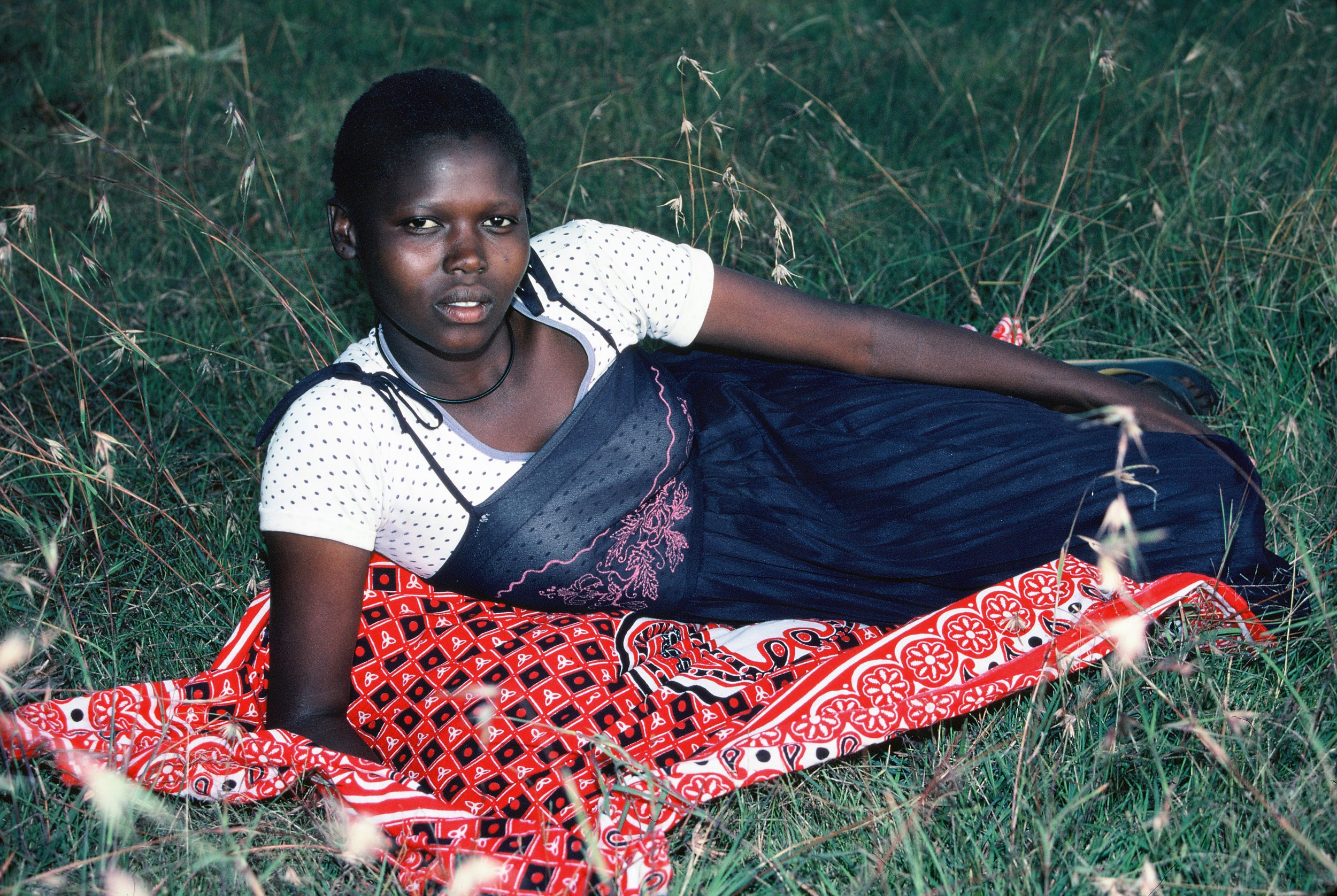
Photograph of a Kenyan woman
John Tyman, 1983, Nairobi, Kenya
Bomet Foundation collection
INSTAGRAM @BOMETFOUNDATION
Bomet Foundation is a cultural initiative dedicated to preserving, studying, and circulating East African visual culture.
Working across archival research, exhibitions, publishing, and public programming, Bomet Foundation brings historical material into dialogue with contemporary artistic practice.
The foundation is building a digital archival library focusing on photography, printed matter, oral histories, architecture, design, and cultural memory from East Africa and its diasporas.
ARCHIVE: A growing digital library of East African cultural material.
EXHIBITIONS: Curated projects, collaborations, and presentations in Melbourne and internationally (BOMET CONTEMPORARY).
PUBLISHING: Printed and digital works developed through research, commissions, and archival inquiry.
PROGRAMS: Talks, screenings, workshops, and educational partnerships.
For partnerships, research enquiries, and general correspondence: info@bometfoundation.org
PAST EVENTS
Melbourne Design Week | May 2026
Applied Semiotics Vol. II: Portraiture
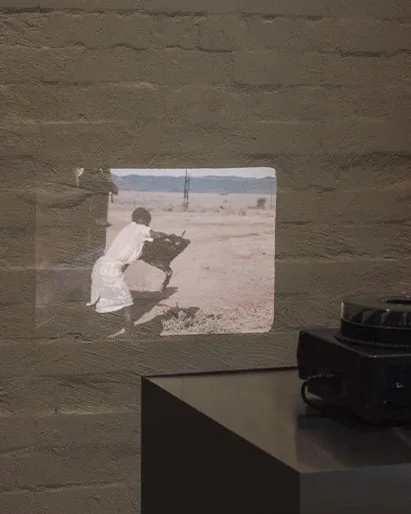
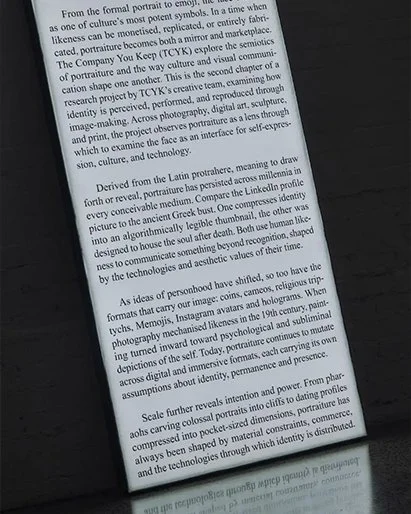
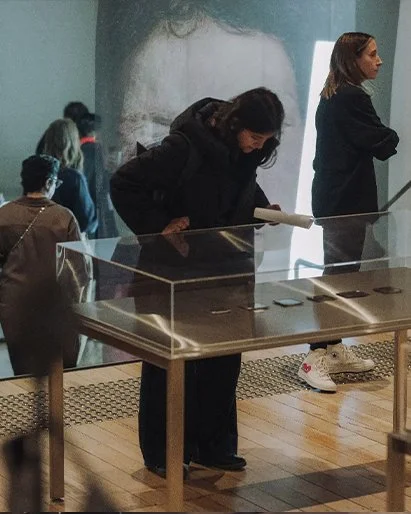
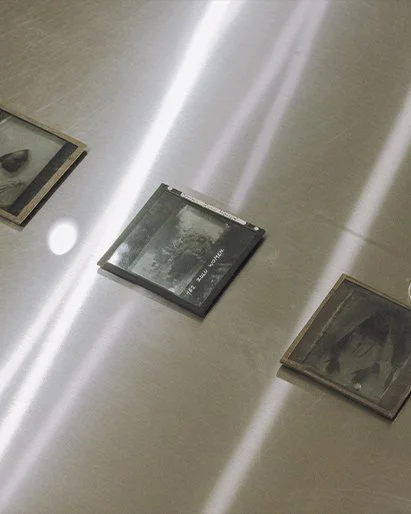
Presented as part of Melbourne Design Week 2026, Applied Semiotics Vol. II: Portraiture examined portraiture as a site through which photography constructs identity, memory, and cultural history. Developed in collaboration with The Company You Keep, the exhibition brought together photographic works and archival material from East Africa, exploring the image as both a historical record and a cultural object, and the ways photographs shape collective and personal understandings of the region.
Photography: Sarah Pannell
Public Programme | July 2026
_
Kenyan Modernities:
Cinema and Social Critique
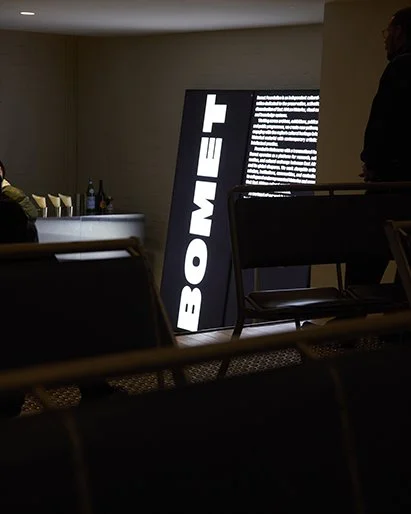
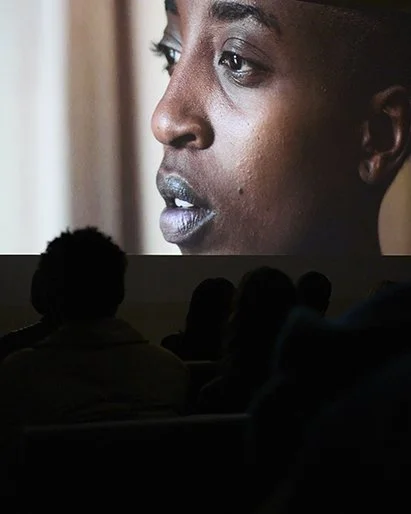
"Kenyan Modernities: Cinema and Social Critique" was a two-part public screening programme exploring contemporary Kenyan cinema through questions of migration, urbanisation, class, youth culture, and post-colonial identity. Featuring screenings of Nairobi Half Life (2012) and Rafiki (2018), the programme included a conversation with director David 'Tosh' Gitonga following Nairobi Half Life, situating cinema as both a historical document and a critical lens through which to consider the social and political transformations of contemporary Kenya.
Thank you to
THE COMPANY YOU KEEP
15 Bedford St, Collingwood VIC 3066
for hosting the event.
Nairobi Half Life (2012)
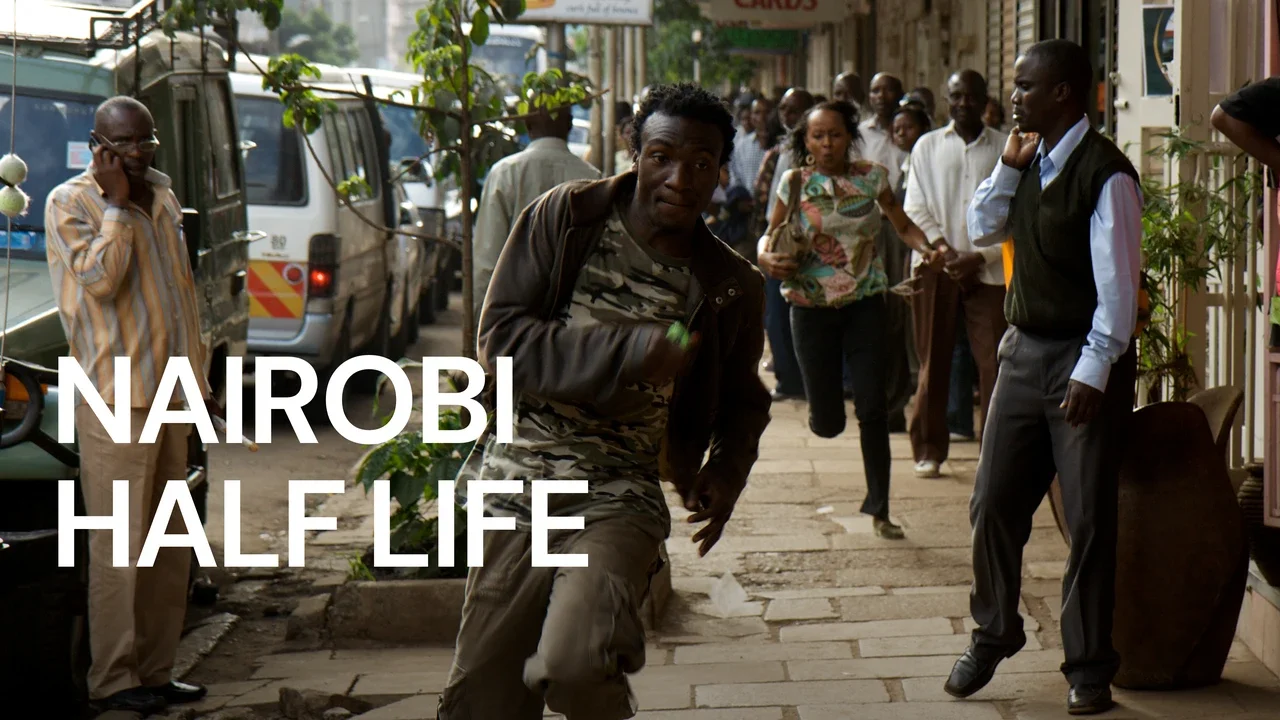
Directed by David ‘Tosh’ Gitonga
Widely regarded as one of the most significant films in Kenyan cinema, Nairobi Half Life follows Mwas, a young aspiring actor who leaves rural Kenya for Nairobi in search of opportunity. Drawn into the city's criminal underworld while pursuing his artistic ambitions, he confronts the precarious realities of life in a rapidly expanding metropolis.
Combining social realism with compelling narrative storytelling, the film examines migration, economic inequality, and the tension between aspiration and survival. Nairobi emerges not simply as a setting but as a protagonist in its own right: a city of promise and disenchantment, where dreams of modernity coexist with structures of exclusion and uncertainty.
The screening was followed by a discussion with director David ‘Tosh’ Gitonga.
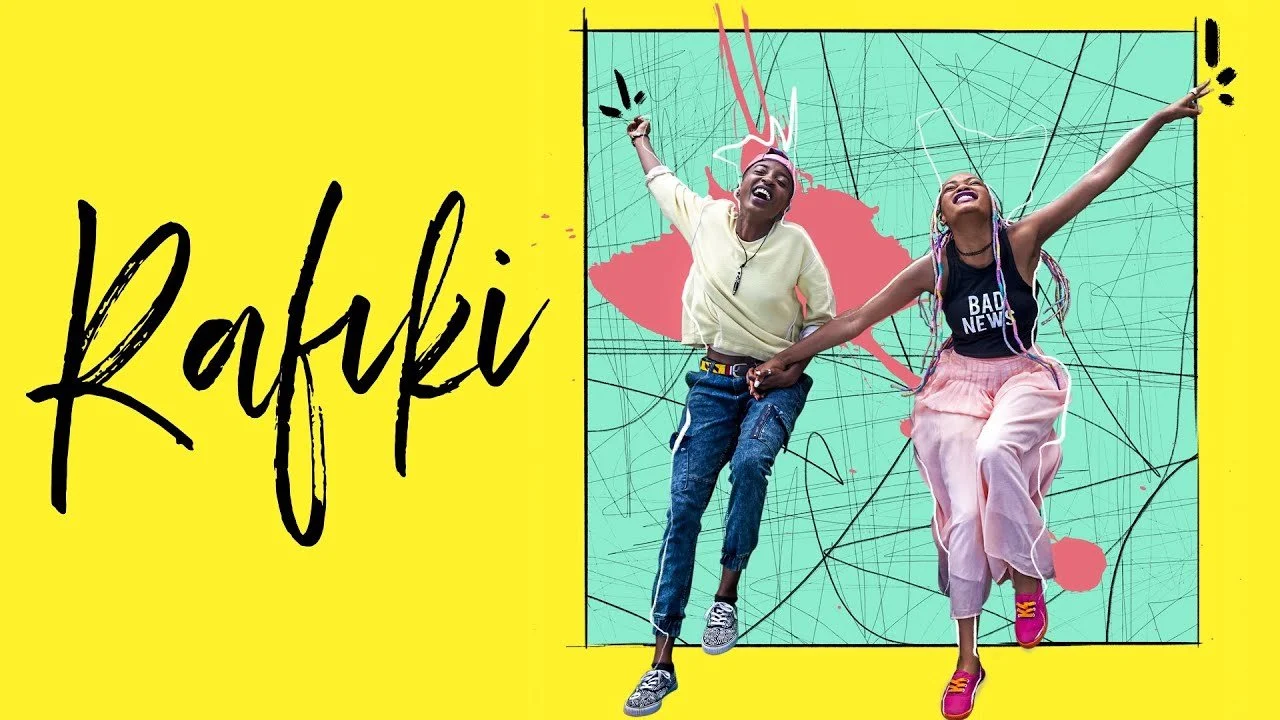
Rafiki (2018)
Directed by Wanuri Kahiu
Adapted from Monica Arac de Nyeko’s short story Jambula Tree, Rafiki centres on Kena and Ziki, two young women whose friendship develops into a romantic relationship despite the social expectations and political rivalries that surround them.
Set against the vibrant backdrop of contemporary Nairobi, the film offers a portrait of youth, desire, and self-determination that departs from dominant representations of African life. Following its temporary ban in Kenya, Rafiki became a focal point for international discussions on censorship, artistic freedom, and LGBTQ+ representation, while also demonstrating the growing global visibility of Kenyan cinema.
Both intimate and political, the film asks how love, identity, and personal autonomy are negotiated within the constraints of community, tradition, and state power.
Through these screenings, audiences are invited to consider how contemporary Kenyan filmmakers engage with questions of modernity and social transformation. Together, Nairobi Half Life and Rafiki offer distinct yet complementary perspectives on the realities of contemporary Kenya and the possibilities of cinema as a form of cultural critique.
© COPYRIGHTS BOMET FOUNDATION